Two 12V LiFePO4 Batteries, One Decision
When you're picking a 12V lithium battery for a marine electrical batteries lighting setup, the main decision is whether you want basic lithium power or a battery that tells you what it's doing. The KEPWORTH 100AH 300AH and the DC HOUSE 12V 100Ah both target RV, marine, and off-grid use, but a wide price gap separates their price tags. Both use LiFePO4 chemistry, and this head-to-head shows where the extra money goes.
Quick Verdict
Choose the DC HOUSE 12V 100Ah if you want a battery that's easier to monitor and manage in changing weather. Choose the KEPWORTH 100AH 300AH if you want a lower-priced 12V LiFePO4 and don't need extra oversight. The real question is whether you prefer a simple power source or a battery you can supervise.
Side-by-Side Snapshot
| Product | Price | Fast Facts |
|---|---|---|
| KEPWORTH 100AH 300AH | $99.98 | 12V LiFePO4, 100A BMS charge/discharge, 15000-cycle claim, 100A/5s discharge max, safety standards mentioned |
| DC HOUSE 12V 100Ah | $193.75 | 12V LiFePO4, 100A BMS charge/discharge, Bluetooth 5.1, low-temp cutoff, 130A/10s peak, 4000+ cycle claim |
Where Each Battery Wins
KEPWORTH wins on price. It's the lower-priced option, which matters if you want 12V lithium without spending near $200. It is the straightforward choice when price is the main concern.
DC HOUSE wins on operational confidence. The higher price buys a more instrumented battery, and that can make a difference if you are away from your boat or RV for long stretches and want to know the battery is behaving.
Product Notes
KEPWORTH 100AH 300AH LiFePO4 12V Battery
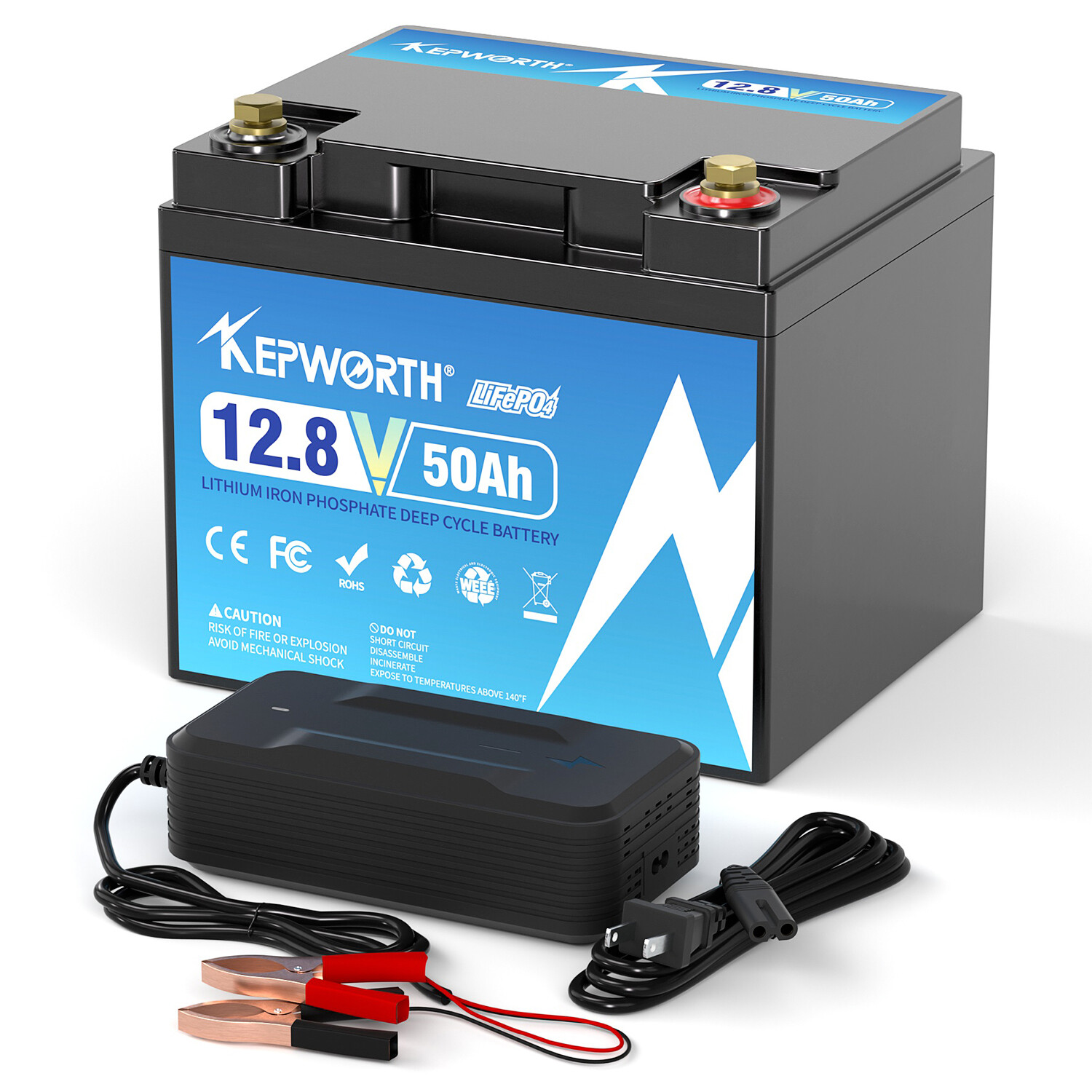
At $99.98, the KEPWORTH is the lower-priced pick in this head-to-head. It is a 12V LiFePO4 battery with a 100A BMS for continuous charging and discharging, and the title carries a 15000 deep-cycle claim that is much larger than the DC HOUSE's 4000+ number. The description mentions CE, UN38.3, and MSDS compliance, a useful detail if you want certification documentation. The limitation is surge handling: the listed 5-second discharge maximum is 100A, while the DC HOUSE lists 130A for 10 seconds. That makes the KEPWORTH better for moderate, steady loads than for heavy starting surges. If you want 12V lithium capacity without paying for mobile monitoring, this battery keeps the system simple.
DC HOUSE 12V 100Ah Lithium Battery
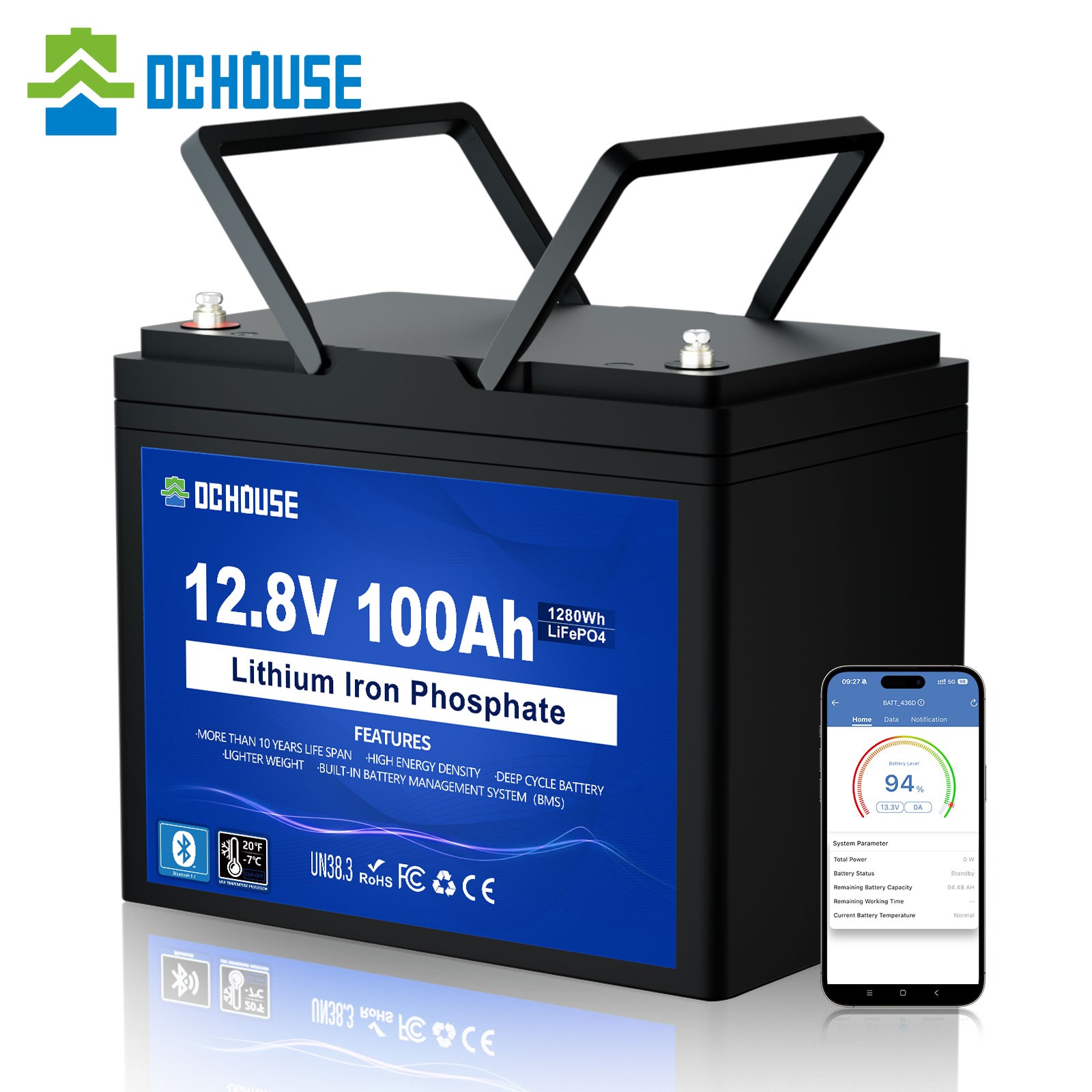
The DC HOUSE carries the higher price, costing $93.77 more than the KEPWORTH, and it spends that money on features that make the battery easier to live with. Built-in Bluetooth 5.1 connects to the DC HOUSE app over a 5-10 meter range, so you can check state of charge, voltage, and current in real time. Its low-temperature cutoff stops charging below 32°F and discharge below -7.6°F, then recovers at 0°F. The listed 130A/10s peak discharge also helps with inrush loads from inverters or motors. The main limitation is the price gap, which may be hard to justify for a simple installation. With dimensions of 260x168x234mm, you get a concrete size to fit into a battery compartment. For cold-weather use and remote monitoring, the DC HOUSE is the more complete purchase.
Final Choice by Use Case
If you want a simple, lower-priced 12V lithium battery for lights, small electronics, and moderate loads, the KEPWORTH 100AH 300AH is the pick. It covers the basics at the lower end of the price spread and leaves more money in your pocket.
If you want a battery that keeps you informed and protects itself in cold weather, the DC HOUSE 12V 100Ah is the pick. The higher price is a trade for those extras, which matter for a marine or off-grid setup you depend on.