When you're working on marine pumps plumbing sanitation, the shopping list often contains two very different pieces: a powered pump that transfers water and a passive fitting that carries water through the hull. The 12V DC Utility Transfer Pump and the 316 Stainless Steel 1in Thru Hull Fitting sit close in price but answer opposite questions. Do you need to move water out of the bilge, or do you need a durable, leak-free point where water enters or exits the hull? Choosing the wrong one leaves you either with water that can't escape or a hole in the boat without a proper fitting.
Quick Verdict
If your next job is removing water from a bilge, pumping a holding tank, or transferring water for general utility use, the 12V DC Utility Transfer Pump is the clear pick: it's the active component that supplies flow. If you already have a pump and need the hull pass-through, the 316 Stainless Steel 1in Thru Hull Fitting is the one to buy, provided you avoid below-the-waterline installs.
At a Glance
| Product | Listed Price | Price Bar | What You're Getting |
|---|---|---|---|
| 12V DC Utility Transfer Pump 240 GPH Stainless Steel Bilge Marine Extra Impeller | USD 54.99 | Electric pump with 240 GPH flow, 23 ft lift, 50 PSI max | |
| 316 Stainless Steel 1in Thru Hull Fitting - Leak-Free Plumbing Solution | USD 43.99 | Passive 316 SS fitting for thru-hull intakes, bilge, livewells |
Where Each Product Wins
- Choose the 12V DC Utility Transfer Pump if you need powered water movement for bilge pumping, RV and camper use, emergency water removal, or general transfer. It runs on 12V DC, draws 5 amps (120 watts), and moves 240 gallons per hour, with a maximum lift of 23 feet and maximum pressure of 50 PSI. It costs $11 more than the fitting, but it's the only one of the two that actively moves water.
- Choose the 316 Stainless Steel 1in Thru Hull Fitting if you need a corrosion-resistant pass-through for a water intake, bilge discharge, or livewell line. It weighs just 8.1 ounces and is built from 316 stainless steel, so it resists rust, UV rays, and impacts. Keep it out of below-waterline installations, but for above-deck or dry-hull locations it gives you a clean, leak-free mount point.
Product Notes
12V DC Utility Transfer Pump (240 GPH)
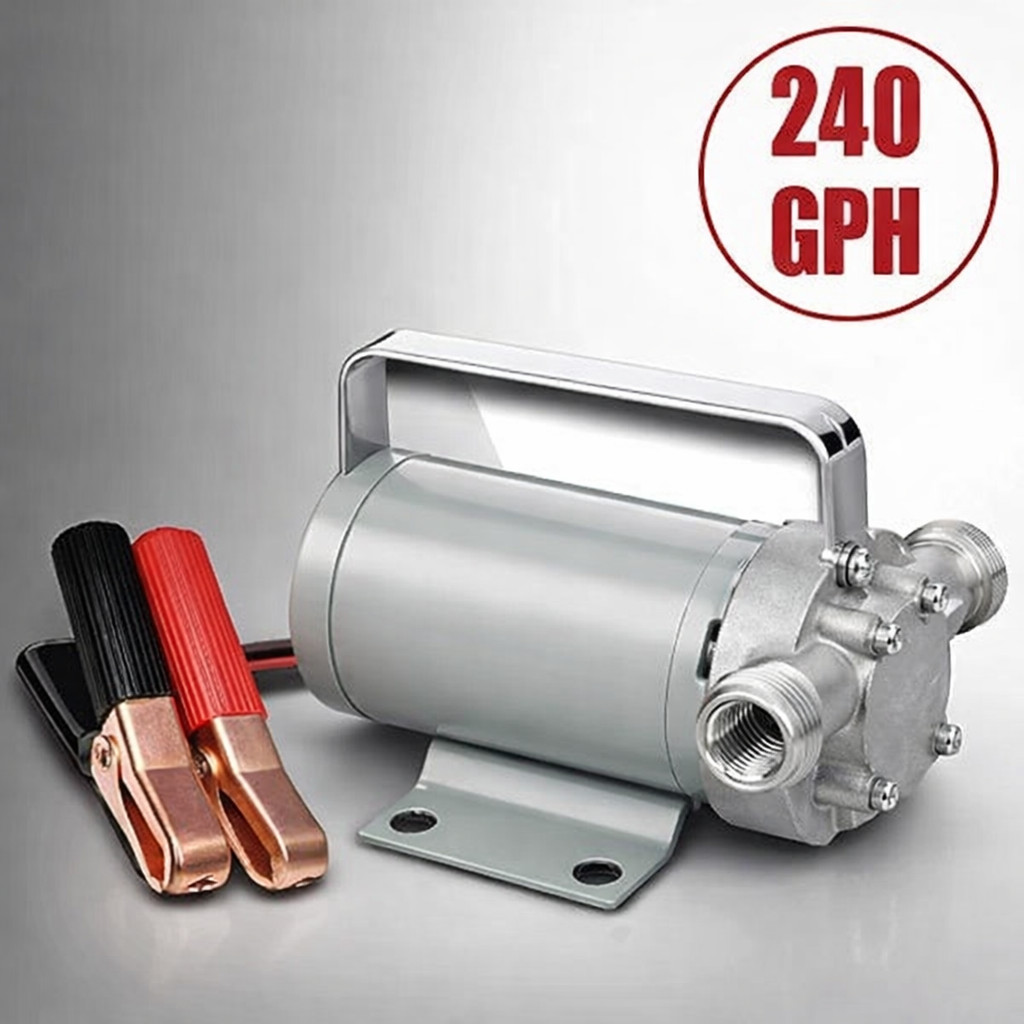
This is the workhorse for anyone who needs water to move on demand. Rated at 12V DC and 5 amps (120 watts), the pump delivers 240 gallons per hour with a maximum head lift of 23 feet and a maximum pressure of 50 PSI. The stainless steel housing is suited to the damp, corrosive environment you find around a bilge. Connections are a 3/8-inch NPT female inlet and a 3/4-inch NPT male outlet, so you can hook it into a standard hose or pipe run. Its best fit is marine bilge pumping, boats and small watercraft, RVs, and campers, plus emergency water removal or general utility transfer. At $54.99, it's the pricier of the two, but it's also the only one of the pair that actually moves water. For a static pass-through, this pump won't create the opening in the hull-it only pushes water along a connected line.
316 Stainless Steel 1in Thru Hull Fitting
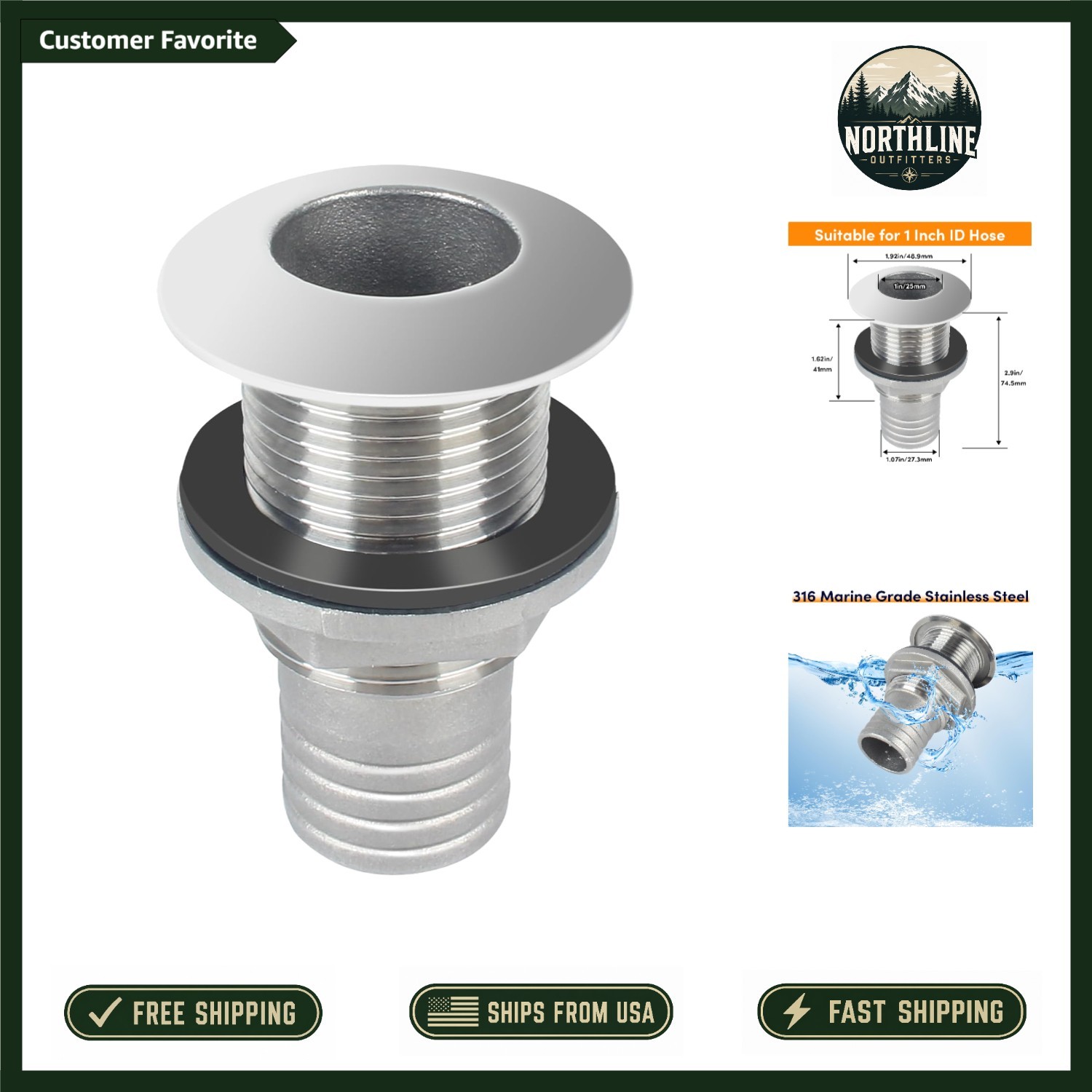
This fitting solves a different problem: creating a leak-free place for water to cross the hull. It's made from 316 stainless steel, which gives it strong resistance to rust, UV rays, and impacts. At 1 inch, it's built to connect into marine water intakes, bilge pump lines, and livewell systems, and the silvery finish blends in with typical deck hardware. It weighs only 8.1 ounces, so it's a light part to store and handle. One important caution: it is not recommended for use below the waterline, so plan your mounting location carefully. At $43.99, it leaves more money in your pocket than the pump, but it's completely passive-you'll need a separate pump or valve to make water flow through it.
Final Choice by Use Case
- Water removal or transfer work: Pick the 12V DC Utility Transfer Pump. It delivers 240 GPH and handles bilge pumping, small watercraft, RVs, and campers, as well as emergency and general utility water moving.
- Hull pass-through work: Pick the 316 Stainless Steel 1in Thru Hull Fitting. It creates a durable, leak-free point for intakes and discharge lines, and it costs $11 less than the pump.
- Building out both ends of the system: If your first task is moving water, buy the pump first; if the hole in the hull is the priority, buy the fitting first. With an $11 difference between them, your budget can stretch to both once you know which job is urgent.