When you're upgrading the electrical side of a boat or RV, the first big purchase is rarely obvious. Do you add more stored power so your gear keeps running, or do you protect the circuits you already have? That's the choice between a deep-cycle lithium battery and a circuit breaker panel. Both live in the marine electrical batteries lighting space, but they do very different jobs.
Quick verdict
If your priority is keeping lights, pumps, and electronics running off a deep-cycle power source, the lithium battery is the direct answer. If your priority is a clean, organized way to protect multiple DC circuits, the Blue Sea panel is the stronger match. They are complementary pieces of a marine electrical system, not direct rivals, so the right first buy depends on which failure is hurting you more.
At a glance
| Item | Price | Best for | Key spec |
|---|---|---|---|
| 12V 60Ah LiFePO4 Battery | $109.99 | Deep-cycle power storage | 60Ah, 12.8V, 768Wh |
| Blue Sea 8374 Breaker Panel | $130.00 | DC circuit protection | 3 positions, water resistant, vertical mount |
Where each wins
- The battery wins when your trips end early because you run out of power. It's portable and rechargeable, so it fits a boat, RV, or campsite, and it carries enough energy for moderate loads.
- The panel wins when you're tired of unprotected wire runs. It's a marine-grade panel from Blue Sea Systems, made in the USA, with a vertical design that keeps breaker positions organized.
Product notes
12V 60Ah LiFePO4 Lithium Battery, Deep Cycle
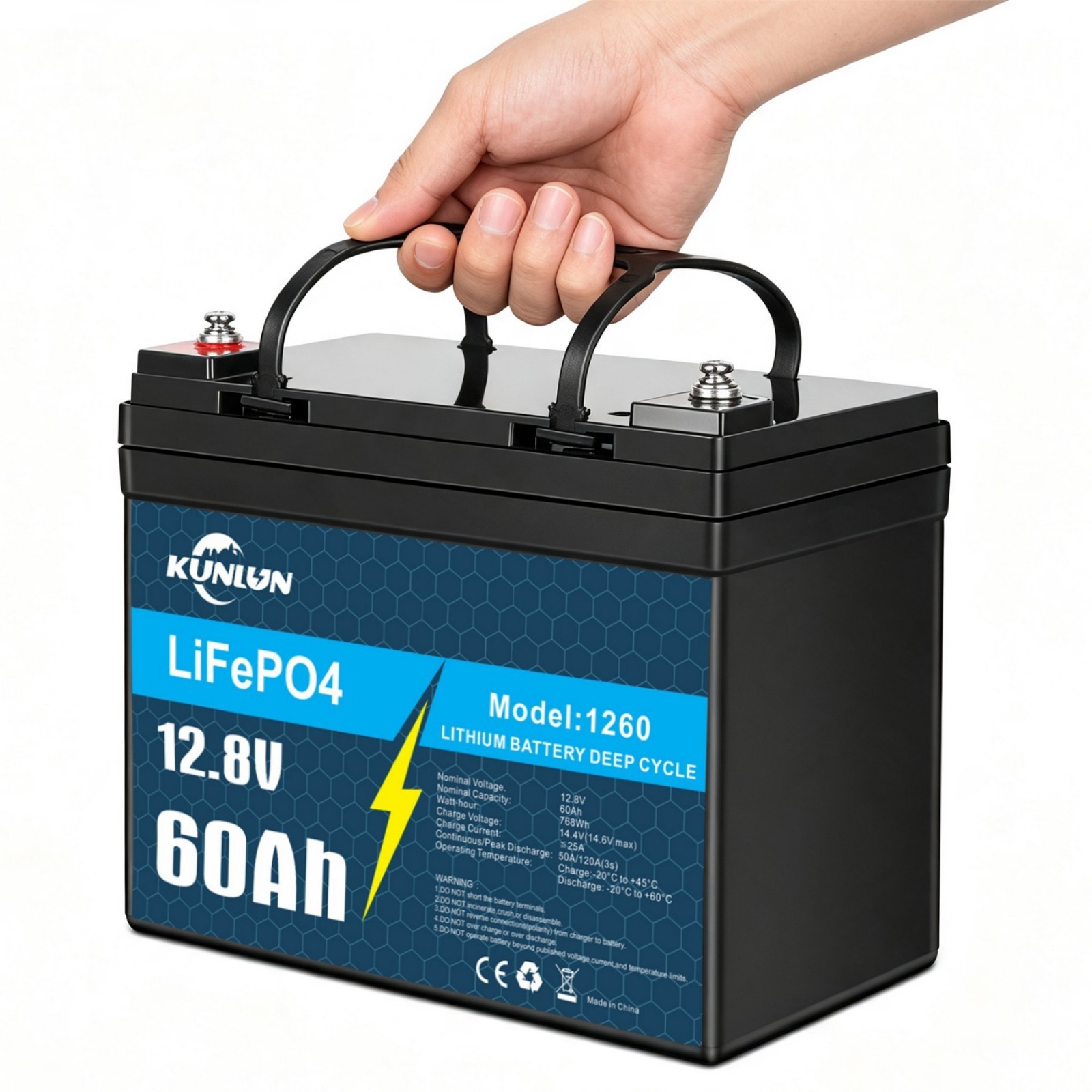
This is the pick when your onboard power runs short. It's a 12.8V lithium iron phosphate battery rated at 60Ah, with 768Wh of energy, and it weighs just 12 lbs. That makes it a practical deep-cycle source for a trolling motor, cabin lights, or a small appliance load. The battery uses CC/CV charging and is built to work in marine and RV applications, as well as for backup and camping. It includes a 50A BMS and lists a maximum continuous discharge current of 30A, so it's suited to moderate draws rather than high-current starts. The catch: you need to charge it with a 12V LiFePO4 charger, and you should not connect more than four batteries in series or parallel. At $109.99, it gives you a real energy upgrade.
Blue Sea 8374 3-Position Vertical WR Circuit Breaker Panel
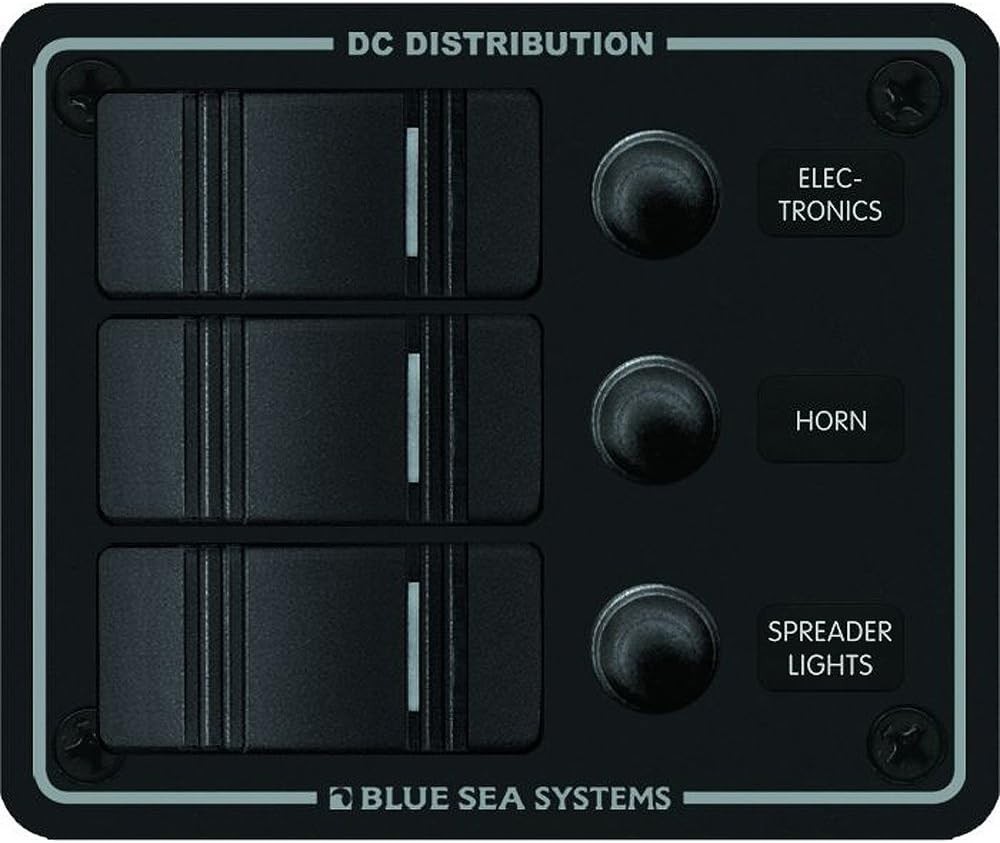
If your boat's wiring relies on an old fuse block or unprotected splices, this panel is the organized way to add protection. It's a Blue Sea Systems 8374, a three-position vertical mount panel with a water-resistant case, built for marine electrical distribution. The panel is compatible with boats, yachts, RVs, and marine vessels, and it's made in the USA. It creates a clean, centralized spot for up to three DC circuit breakers, which is ideal for a helm station or RV control panel. The big thing to keep in mind is that breakers are sold separately, so the $130 price covers the panel only. You'll need to choose matching breakers for each position, which adds to the total cost. If you're planning a fresh electrical layout or want to replace a messy fuse setup, this is the backbone to build on.
Final choice by use case
- Go with the deep-cycle lithium battery when your biggest problem is runtime. If the distribution side already works but you keep draining power, this adds capacity for a modest price.
- Go with the Blue Sea 8374 breaker panel when your biggest problem is safety and organization. If you're adding new circuits or upgrading from a tangle of fuses, this gives you a protected foundation, and you can add breakers as needed.
- If you're doing a full electrical refit, buy the panel first to protect what you have, then add the battery for more staying power. Together, they cover both ends of the system.
Both upgrades have a clear role in a marine electrical setup; the right first buy comes down to which gap is hurting you more.