When you're putting together a marine electrical batteries lighting plan, the real decision isn't just "lithium vs. lead-acid"-it's how many amp-hours you can carry, how much insight you want into battery health, and whether your cable is up to the job. This comparison brings together four products that fit different parts of that puzzle: three 12V LiFePO4 batteries with different feature sets and one copper battery cable.
Quick Take
If you want battery monitoring and temperature protection, the DC HOUSE LiFePO4 at the top of the price range is the only one with both Bluetooth monitoring and a low-temperature cut-off. If keeping the listed price low is your first concern and you're comfortable choosing from a range of amp-hour capacities, the KEPWORTH listing is the low-price starting point. For a lighter, compact build, the smaller LiFePO4 battery is the simpler choice. And if you're wiring any of these to an inverter or distribution block, the copper cable gives you a high-current rated connection.
Price Comparison
| Product | Listed Price | Bar | Key Spec |
|---|---|---|---|
| 12V 60Ah LiFePO4 Battery | USD 109.99 | 60Ah / 768Wh | |
| 12V 100Ah DC HOUSE Battery | USD 193.75 | 100Ah / 4000+ cycles | |
| 100AH 300AH KEPWORTH Battery | USD 99.98 | 100-300Ah range / 15000 cycles | |
| 2 AWG Copper Battery Cable | USD 146.56 | 25 ft / 210A |
Decision Matrix
- Capacity and weight: Balance your energy needs with how often you move the battery. A larger capacity gives more run time but adds bulk.
- Monitoring and protection: Some batteries give you visibility into voltage and state of charge and include temperature safeguards, which is helpful in cold marine conditions.
- Wiring and amperage: The cable's current rating and length determine whether it can handle high loads without excessive voltage drop.
Product Notes
12V 60Ah LiFePO4 Lithium Battery
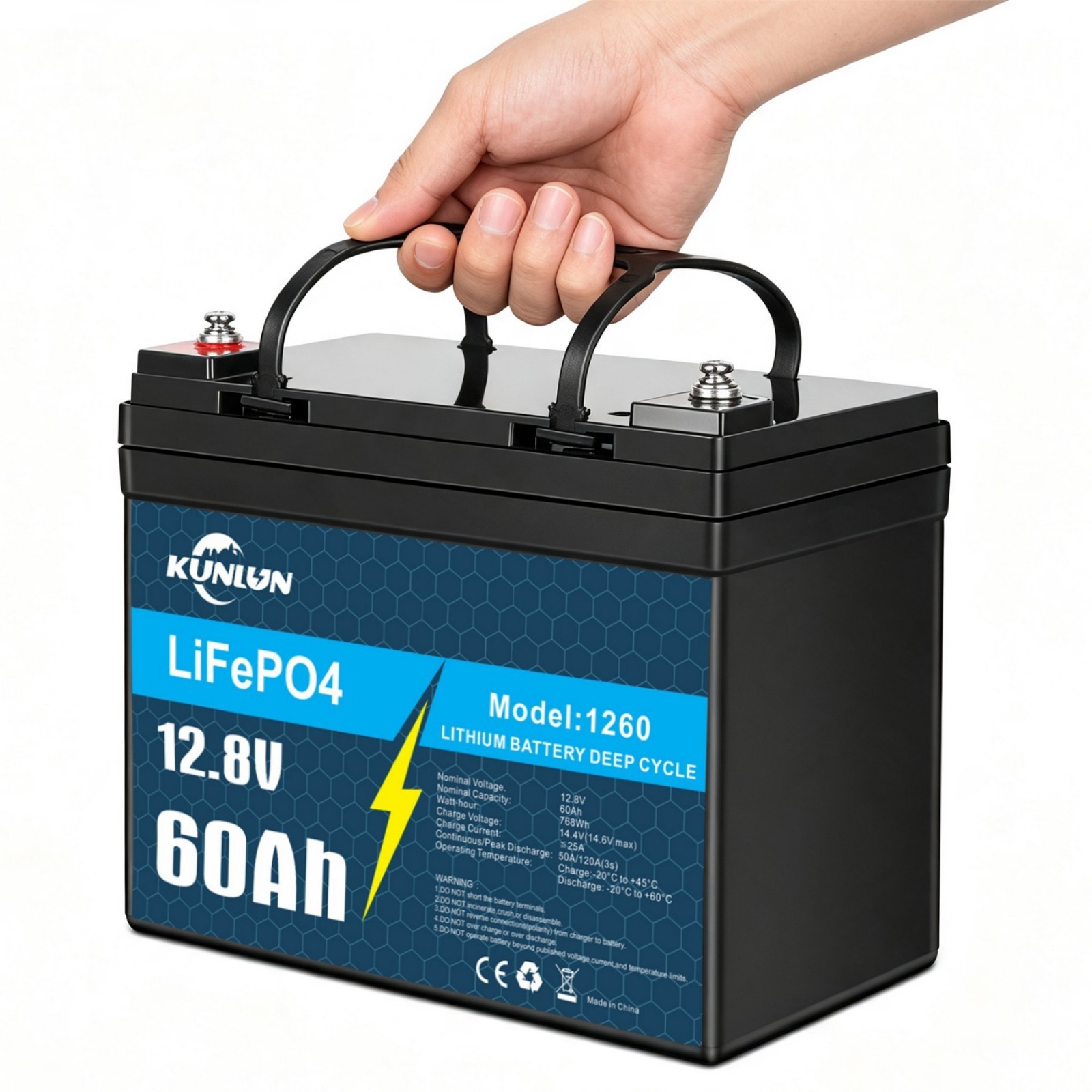
This is a straightforward 12V, 60Ah LiFePO4 battery with 768Wh of energy, built for RV and marine use. At $109.99, it sits in the middle of this group and gives you a lighter footprint-just 12 lbs-which is a real benefit if you're moving the battery in and out of a small boat or kayak. The BMS is rated at 50A. The trade-off is capacity: at 60Ah, it won't support heavy inverter loads or long overnight runs the way a 100Ah battery can. Choose it when your power demand is modest and portability is a priority.
12V 100Ah Lithium Battery, DC HOUSE
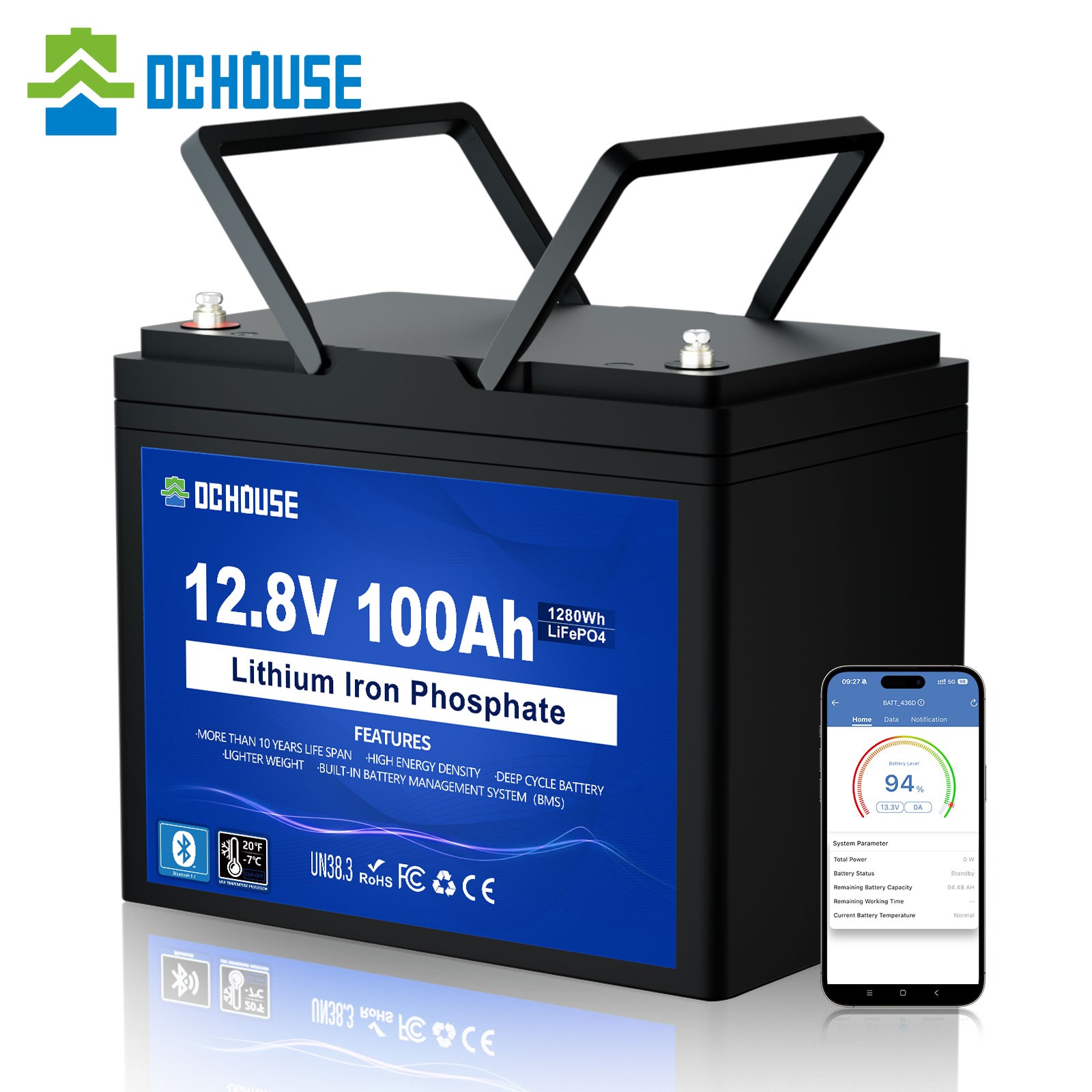
The DC HOUSE 12V 100Ah LiFePO4 is the highest-priced battery here at $193.75, but it's also the only one in this group with Bluetooth 5.1 and a low-temperature cut-off. It's rated for 4000+ deep cycles, and the Bluetooth lets you check voltage, current, and state of charge through an app. The low-temperature cut-off stops charging below 32°F and stops discharge below -7.6°F, then recovers when the temperature rises. That makes it a stronger candidate for boats that stay in cold climates. The limitation is the price, and if you don't need app monitoring, you might not use all those extras.
100AH 300AH LiFePO4 KEPWORTH Battery
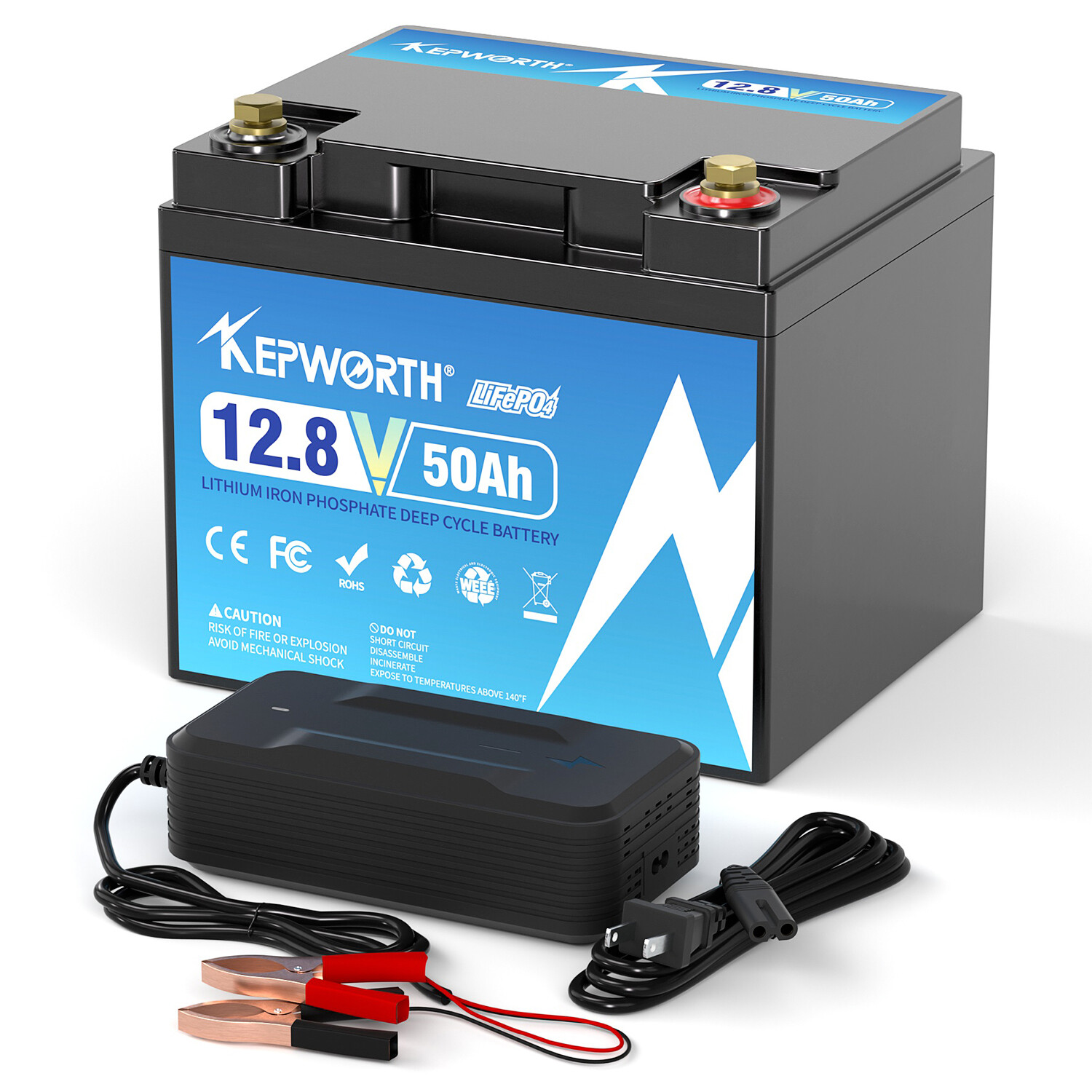
This KEPWORTH listing starts at $99.98, the lowest listed price in the comparison. It spans 100Ah to 300Ah and claims 15000 deep cycles, pointing to a long service-life expectation. The 100Ah version has a 100A continuous charge and discharge rate, so the line is built around BMS-managed performance. Because the listing covers a range of capacities, the exact amp-hour size you're buying isn't pinned down by the $99.98 price alone. That makes it a good pick if you already know which capacity version you need and want to keep the upfront cost down.
2 AWG Gauge Copper Battery Cable
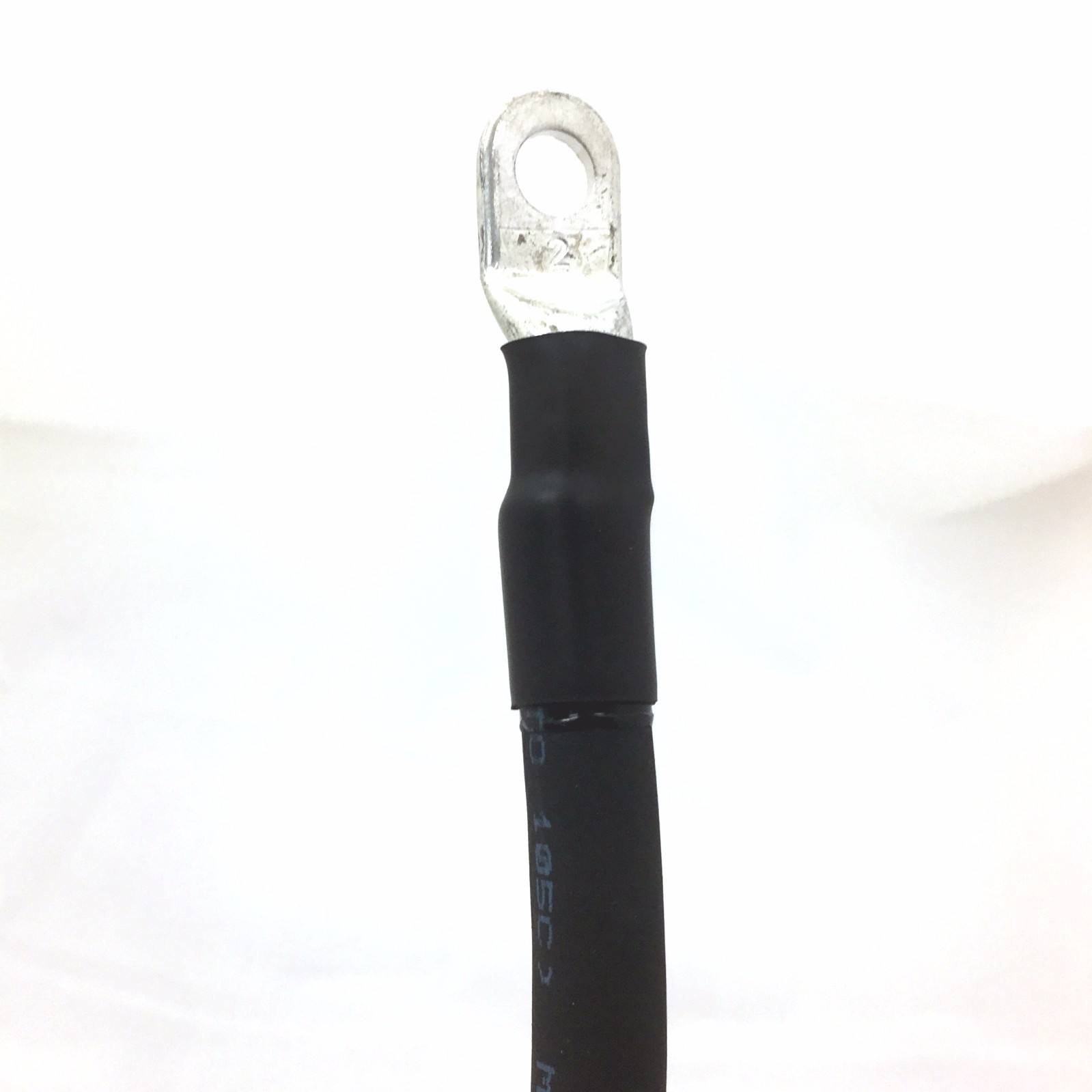
The Battery Cables USA 2 AWG cable is the wiring component in this set. It's a 25-foot length of copper cable with tin-plated lugs and a 210A current rating, priced at $146.56. For a marine setup, that kind of amperage capacity matters when you're running from a battery bank to an inverter or a high-draw accessory. The cable is available in either 5/16-inch or 3/8-inch lug options, and the lugs are crimped and sealed with adhesive heat shrink to protect against moisture. The limitation: it's an accessory, not a power source, so you'll pair it with one of the batteries above or another compatible battery.
Final Recommendation
Start by deciding how many amp-hours you truly need. For a compact and lightweight setup, the 12-pound LiFePO4 battery is a good match. If you want Bluetooth monitoring and cold-weather protection, the DC HOUSE model is the one to consider, even at the higher end of this group. If you're happy to work with a multi-option listing and want the lowest listed price, the KEPWORTH battery is the starting point. Then finish the install with the copper cable to ensure the current makes it from the battery to your gear with a solid connection.