Two very different jobs sit under the same heading when you're out on the water: holding your boat in place in sandy shallows and keeping it from banging against the dock when waves roll through. The Itayak 40-inch sand anchor and the Anchor Shock bungee dock line kit each tackle one side of that anchoring, docking, and mooring routine, and the right choice depends on where your boat spends most of its time. Do you need something that screws into the sand to keep you put, or something that stretches to take the shock out of dock lines? These two products lay out that choice clearly.
Quick verdict
If your typical stop is a sandy beach or a sandbar in shallow water, the Itayak 40-inch sand anchor is the tool that matches how you boat. If you spend more time tied to a dock and want to soften the tugging from wind and boat wakes, the Anchor Shock bungee dock line kit is the practical pick. The Itayak is listed at $78.52, while the Anchor Shock kit is listed at $22.44, a $56.08 spread. That gap reflects two very different jobs: one is a shallow-water sand anchor, the other is a shock-absorbing mooring accessory.
Quick comparison
| Product | Listed price | Price bar | Best for |
|---|---|---|---|
| Itayak 40 Boat Sand Anchor Carbon Fiber Shallow Water Anchor For Kayak And Pwc | USD 78.52 | Shallow-water anchoring on sand | |
| Anchor Shock Bungee Dock Line Boat Mooring Rope 2 Pack 24" stretches to 40 | USD 22.44 | Reducing dock and wave shock |
Where each product wins
The Itayak wins for shallow-water holding. It's built with carbon fiber tubes, a nylon glass fiber auger, and bright orange T-handles, and the 40-inch thread size is meant to work in sand with boats under 23 feet. That makes it a strong match for kayaks, pontoon boats, and PWCs when you want to stay put in sandy shallows.
The Anchor Shock wins for dock and mooring protection. Its two bungee lines are designed to absorb the pull caused by wind and boat wakes. The 1/2-inch marine-grade, UV-resistant shock cord and stainless steel carabiner clasps are designed to hold up when lines are constantly flexing. It's less of an anchor and more of a cushion between your boat and the dock.
Product notes
Itayak 40 Boat Sand Anchor Carbon Fiber Shallow Water Anchor For Kayak And Pwc
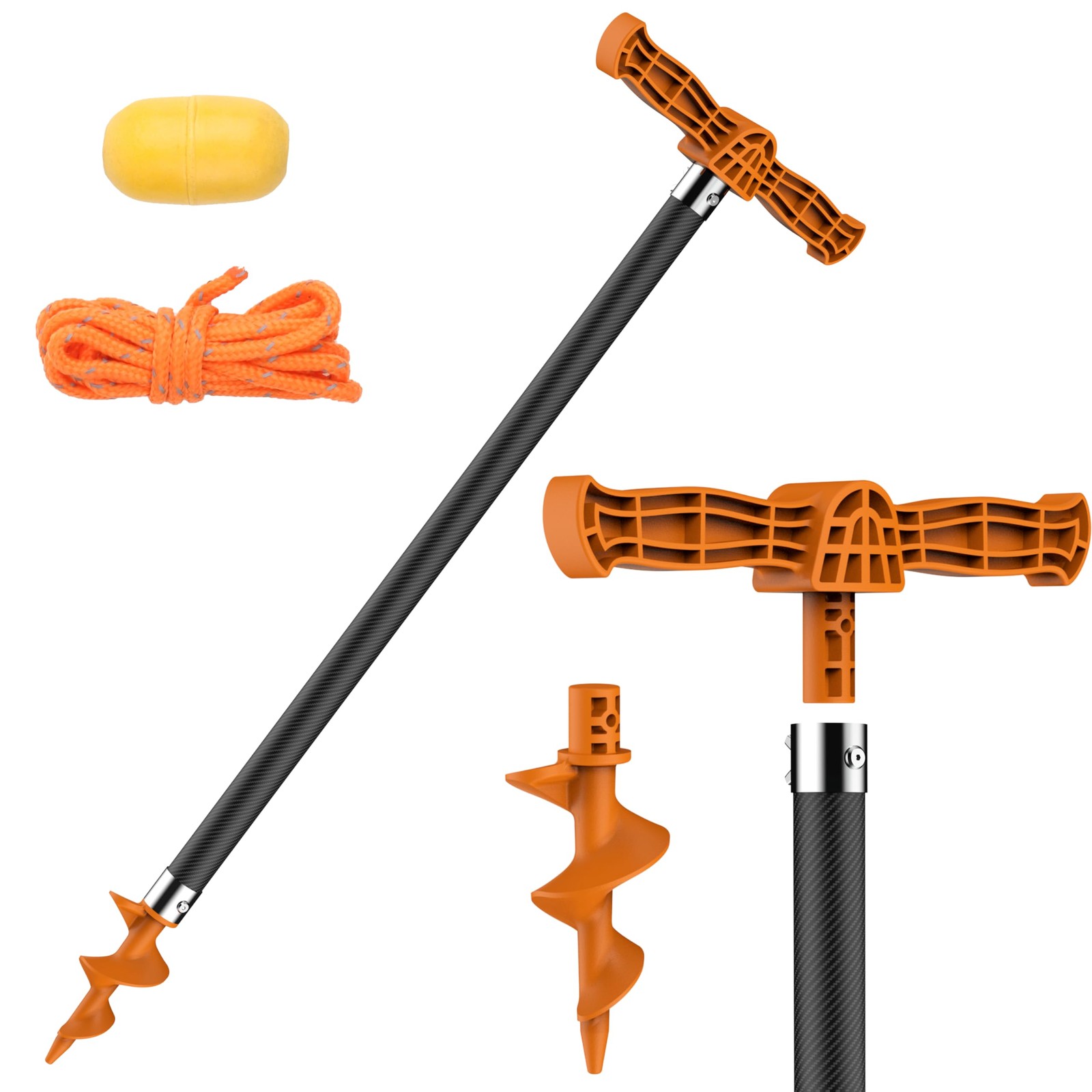
This sand anchor is for boaters who want a rustproof way to hold their kayak, pontoon, or PWC in sandy shallows. The carbon fiber tubes and nylon glass fiber auger are designed to resist corrosion and offer better abrasion resistance than conventional plastic. The bright orange T-handles and dock auger improve visibility while you're setting or pulling the anchor, and the 40-inch thread size suits boats under 23 feet. If you regularly pull up on sandbars, the Itayak's construction matches the job. The limitation is that it's a shallow-water sand anchor, not a general-purpose anchor for deep or rocky bottoms. For a boater who only docks at a fixed pier, this is more capability than the job requires.
Anchor Shock Bungee Dock Line Boat Mooring Rope 2 Pack 24" stretches to 40
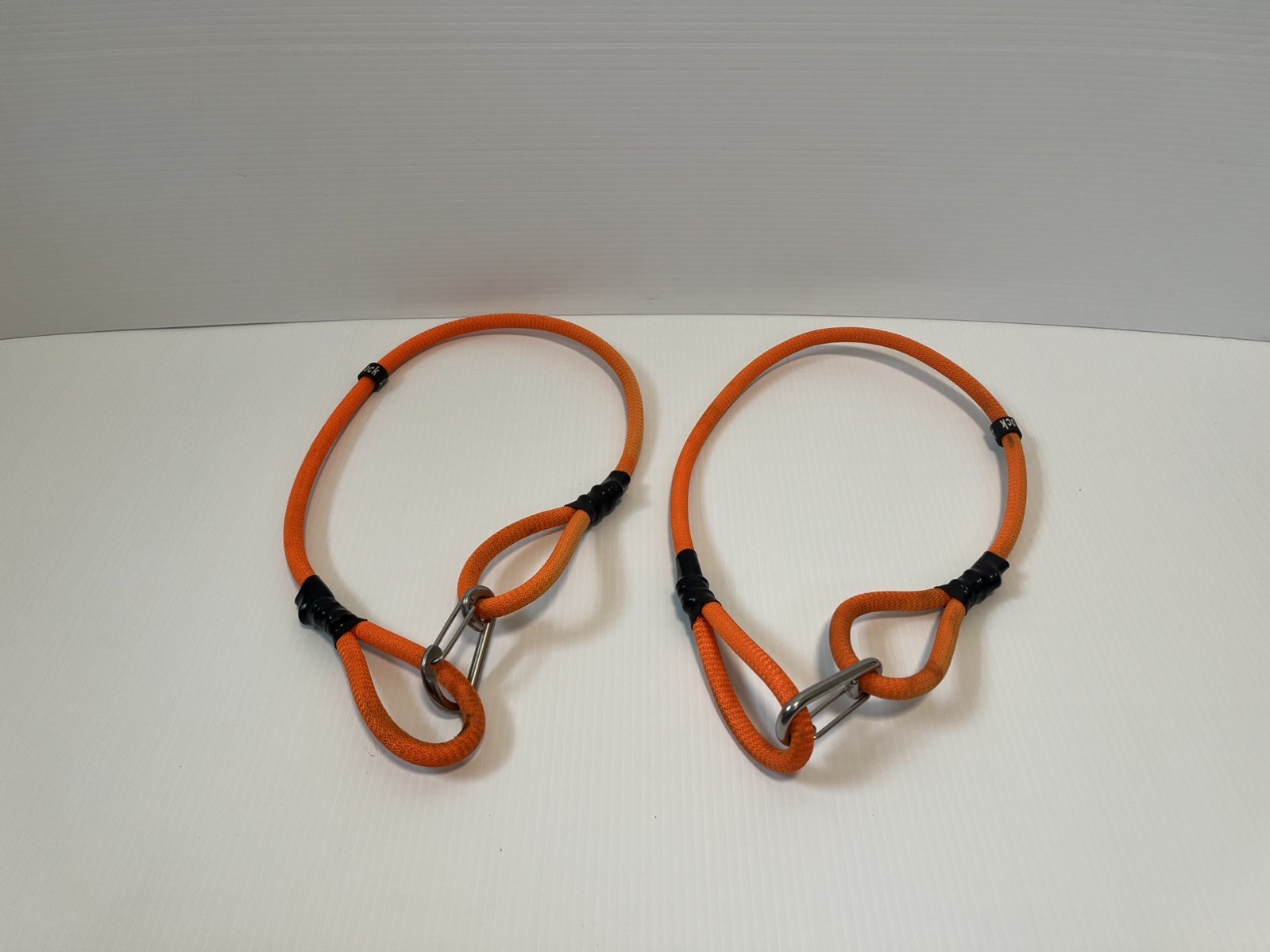
The Anchor Shock kit is built for mooring, not anchoring. The two 24-inch bungee lines are built to stretch and absorb the jolts that wind and boat waves send through dock lines. The 1/2-inch marine-grade, UV-resistant shock cord is made to take constant flexing, and the stainless steel carabiner clasps add corrosion resistance where the line connects. This two-pack is designed for boats up to 24 feet and 4,000 pounds, so it covers pontoons and personal watercraft at the dock. The catch is that it's listed as used, with some rub marks and fading. It also can't hold your boat in the shallows - it's a shock-absorbing dock line, not a sand anchor.
Final choice by use case
Choose the Itayak when your day on the water includes beaching, sandbars, or shallow-water stops with a kayak, PWC, or pontoon. The Itayak's shallow-water design and visibility details suit that kind of use.
Choose the Anchor Shock when you're mooring at a dock and want to reduce the strain on your boat and dock from wind and wakes. The two bungee lines give you protection at both ends, and the shock-absorbing design fits a boat that lives at the dock.