When you're shopping for marine electronics sonar navigation, the real choice is often between getting on the water today and taking on a repair project. That's exactly the fork in the road here. On one side is a $65 used Garmin Fishfinder Depth Finder 80, a straightforward sonar unit. On the other is a $394.94 Simrad NSS7 EVO3, a multi-function head unit that is being sold for parts or not working. Both are legitimate options, but they serve completely different buyers.
Quick Verdict
Pick the Garmin if you want a ready-to-use sonar that can start reading bottom depths right away. It's the budget pick and the only one of the two not in a for-parts condition. Pick the Simrad if you're comfortable with a parts unit and want the promise of chartplotter, fishfinder, sonar, radar, and GPS in a single display. For most shoppers, the Garmin is the sensible, budget-first buy; the Simrad is a project for enthusiasts with repair skills.
Price and Condition at a Glance
| Product | Price | Condition | What You Get |
|---|---|---|---|
| Garmin Fishfinder Depth Finder 80 | $65.00 | Used | Sonar depth finder with plastic housing, decimal and imperial measurement units, and sonar sensor |
| Simrad NSS7 EVO3 | $394.94 | For parts or not working | Multi-function head unit with chartplotter, fishfinder, sonar, radar, and GPS; cracked screen, no power |
Where Each Product Wins
- Garmin wins for immediate use and budget. It's a dedicated fishfinder/depth finder that doesn't require troubleshooting before it can serve its purpose. The lower price leaves room in the boating budget for other gear.
- Simrad wins for feature breadth and repair potential. It bundles navigation, sonar, and radar into one head unit-but only if you can fix the cracked screen and power failure. This is not a ready-to-install display.
Product Notes
Garmin Fishfinder Depth Finder 80
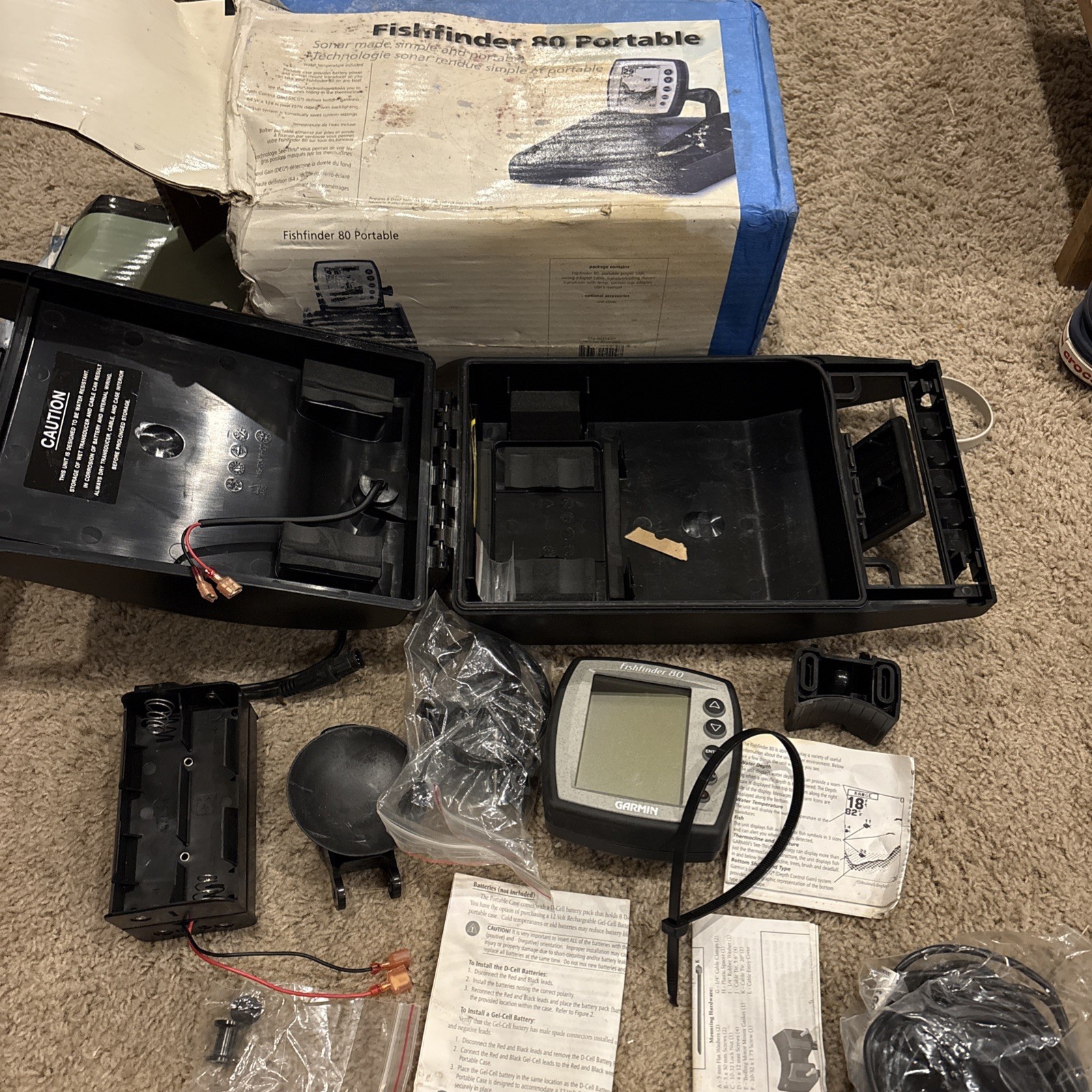
The Garmin is the simplest path to a working sonar. It's a used unit built with a plastic housing and equipped with sonar sensors, and it reads depths in both decimal and imperial measurements. The fishing-focused design means you can mount it and get depth information without wrestling with a multi-layer menu. The limitation is its used condition: you're buying a pre-owned unit, so you'll want to look it over for signs of wear before installing it on your boat. If you need a single-purpose depth finder for a smaller vessel or a budget build, this Garmin gives you a dependable starting point.
Simrad NSS7 EVO3
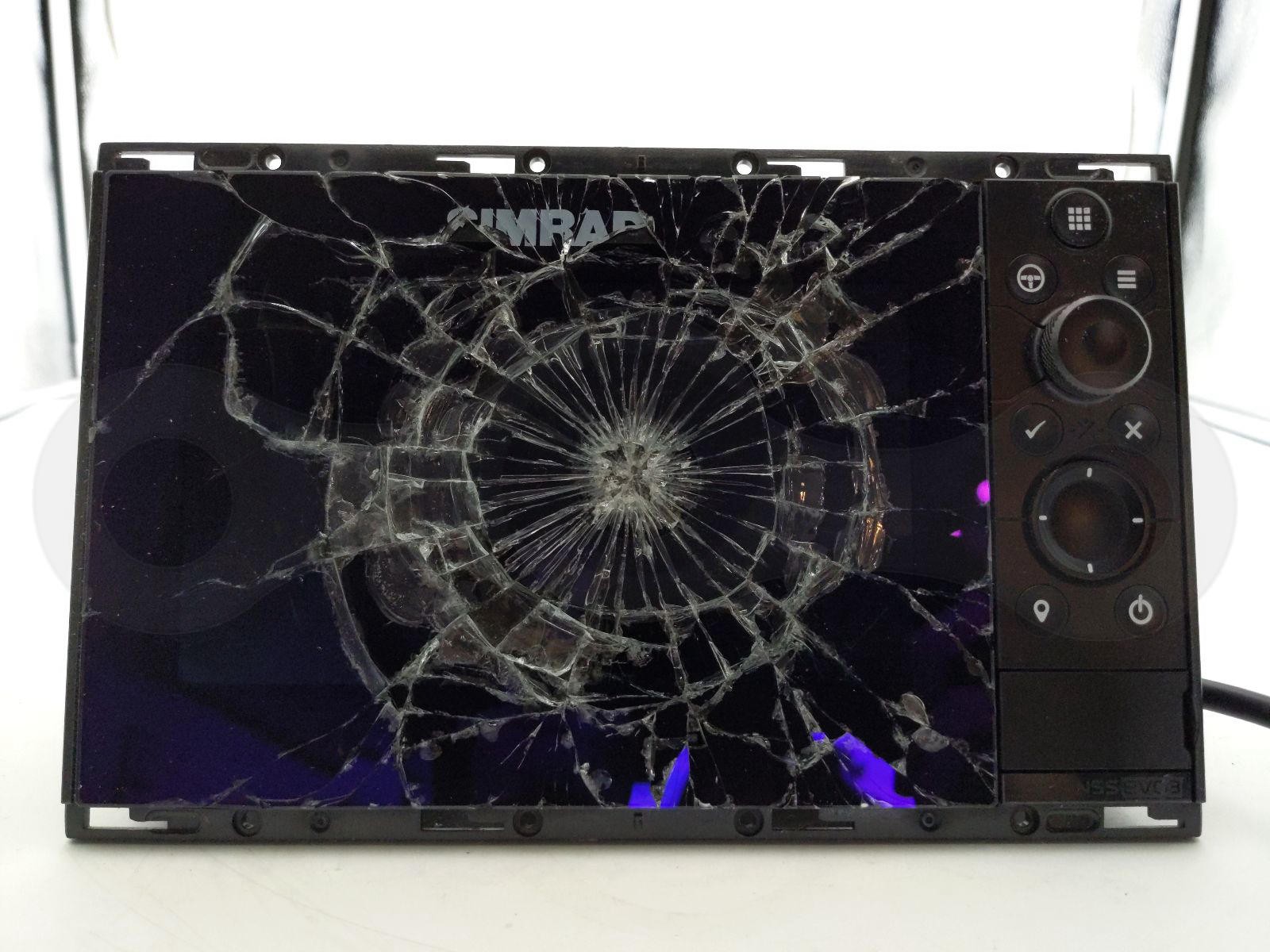
The Simrad is a different animal entirely. It's a head unit that combines chartplotter, fishfinder sonar, radar, and GPS in one display, and it comes with a 90-day warranty. But the condition is for parts or not working: the unit has a cracked screen, possibly opened or loose screws, no power, and a nonresponsive touchscreen and buttons. If you're good with electronics and can source a replacement screen or salvage the internal modules, this could be a low-cost way to get a full navigation suite. The limitation is the opposite of the Garmin's: it's a project, not a plug-and-play sonar. You'll invest time and likely money before any of those features are useful.
Final Choice by Use Case
If you want a working depth finder for your boat without a repair project, the Garmin Fishfinder Depth Finder 80 is the clear winner. It's the only unit here not in a for-parts condition, and its focused sonar design fits a straightforward boating need. If you're the type of shopper who enjoys rebuilding marine electronics and can tolerate a cracked, nonpowered display, the Simrad NSS7 EVO3 offers a more capable system on paper-provided you can bring it back to life. For the majority of buyers, the Garmin is the lower-cost, simpler way to get marine electronics sonar navigation on board.