When you're choosing fishing boat equipment, the hardest part can be matching the tool to the problem. Do you need to bring order to a garage full of rod combos, or do you need a simple way to keep a paddle from sliding overboard? These two accessories sit at opposite ends of the price scale and do entirely different jobs. The Dev Fishing FPH 18 Pole Garage Storage Rack is designed for stationary, organized rod storage. The Kayak Canoe Paddle Leash Rope Rod Leash Safety Lanyard is built to tether a paddle or rod to a small boat. The price gap between them reflects that split in purpose, not a contest of quality. The right question is which problem you're actually solving.
Quick Verdict
If your problem is tangled rods, damaged guides, and cluttered floor space, the Dev Fishing rack is the obvious winner. It holds up to 18 rods and keeps them separated in a fixed spot. If your problem is a paddle that drifts away while you're paddling or fishing, the Kayak paddle leash is the practical, low-cost pick.
Comparison at a Glance
| Product | Listed Price | Price Bar | Best For |
|---|---|---|---|
| Dev Fishing FPH 18 Pole Garage Storage Rack | $179.00 | Organizing up to 18 rods in one stationary garage or deck spot | |
| Kayak Canoe Paddle Leash Rope Rod Leash Safety Lanyard | $8.36 | Tethering a paddle or rod to a kayak or canoe |
Where Each Product Wins
Dev Fishing FPH 18 wins for capacity and protection. The staggered rails keep rods upright and separated, so tips and guides don't collide. It's made of marine board, which resists corrosion and is easy to wipe down. This is a set-and-forget storage solution for anyone who owns a serious rod collection.
Kayak Canoe Paddle Leash wins for safety and simplicity. It locks onto a paddle or rod and connects it to the boat, while the elastic cord gives your hands room to move. It's a low-bulk, easy-to-store add-on for kayakers and canoeists who want a backup against losing gear overboard.
Product Notes
Dev Fishing FPH 18 Pole Garage Storage Rack
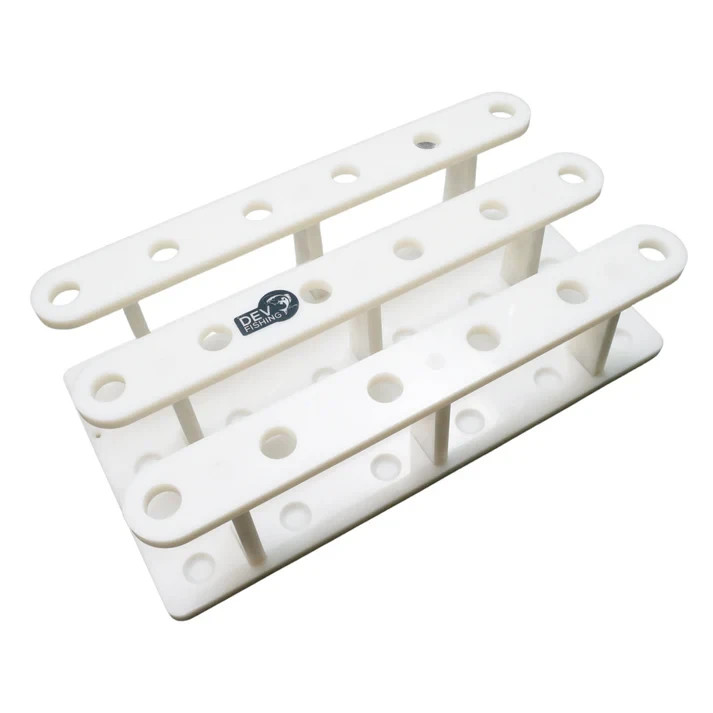
This stationary rack is designed for people who are tired of untangling rods and tripping over rod butts. It holds up to 18 rod combos on three staggered rails, keeping each one upright and separated so tips and guides don't knock into each other. The white marine board is non-corroding and wipes clean fast, which makes it a reasonable fit for a dock or garage that sees salt or freshwater. It is also lightweight and portable, so you can reposition it when your tackle setup changes. The reason to choose it is the capacity: no leash or tether can provide that level of organized storage. The limitation is the $179.00 price, which is about $170.64 more than the leash. You'll only get the value out of it if you actually have enough rods to fill it.
Kayak Canoe Paddle Leash Rope Rod Leash Safety Lanyard
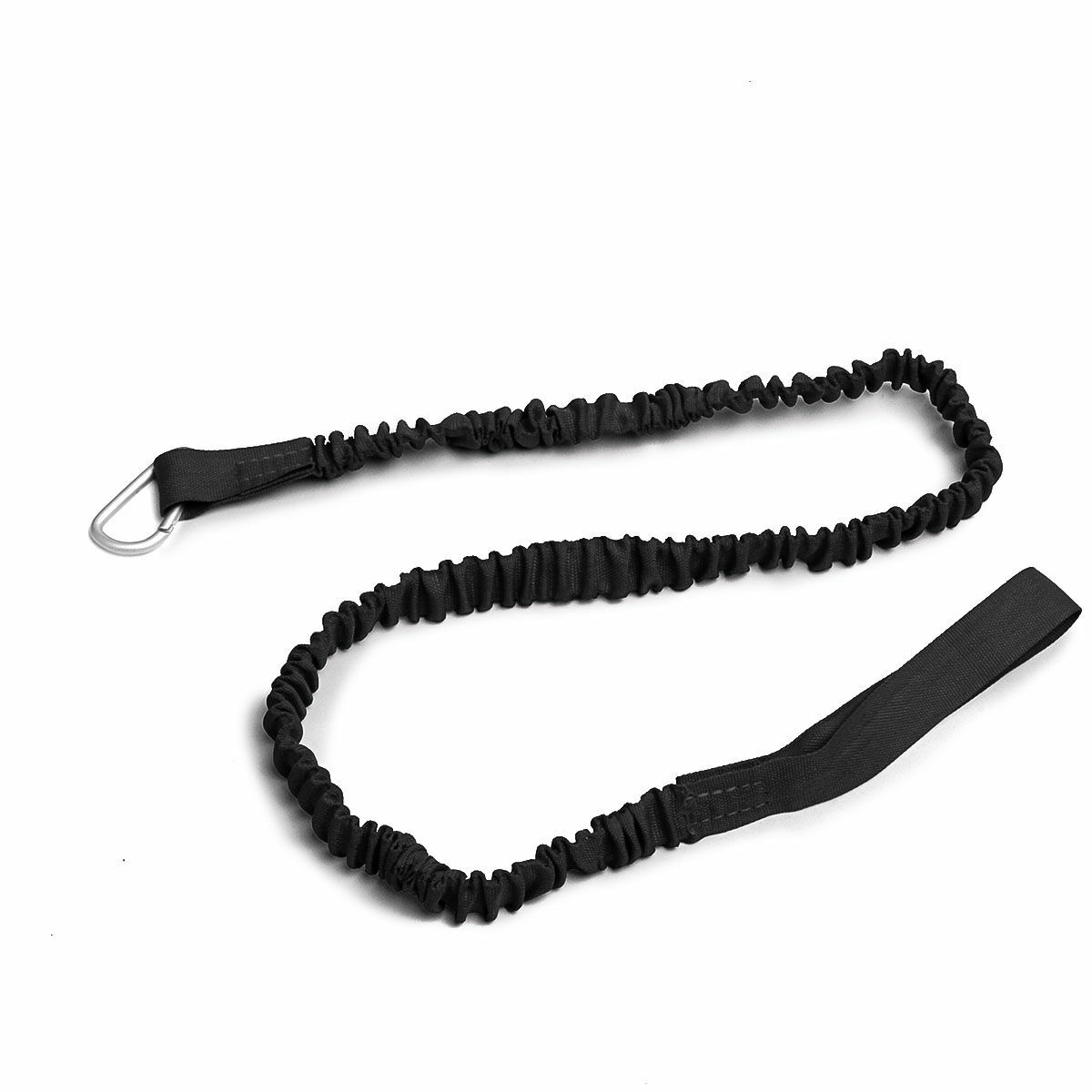
This black leash is a compact safety item for kayaks, canoes, and other small boats. It locks onto a paddle or rod and connects it to the boat, and the elastic cord lets your hands move freely while the paddle stays within reach. Because it's lightweight and wear-resistant, it adds almost no bulk to a boat bag or deck. The package contains a single leash, so you can buy one for the main paddle and add more if needed. The reason to choose it is the simplicity: for a very small price, you get a practical safeguard against losing a paddle overboard. The limitation is scale-one leash protects one item. If you paddle tandem or carry multiple rods, you'll need more than one, and it won't help you organize anything when you're off the water.
Final Choice by Use Case
Choose the Dev Fishing FPH 18 Pole Garage Storage Rack if you're setting up a permanent storage area for a large rod collection. It earns its place when you need order and protection for rods that would otherwise end up tangled. Choose the Kayak Canoe Paddle Leash if you're a kayaker or canoeist who wants a simple, affordable way to keep a paddle from drifting away. It can't hold a dozen rods, but it doesn't need to-it solves a different problem. If your fishing routine includes both a garage full of rods and time on the water, these two products complement each other rather than compete.