Buying an outboard for a dinghy or small fishing boat should be a simple call: get the motor, mount it, and head out. Here, the decision is between two listings for the same 3.5HP 2-stroke outboard motor with manual start, and they look like twins on paper. The only number that separates them is the listed price-USD 176.62 versus USD 178.46-so the head-to-head has one real question: is there any reason to pay more for the identical spec sheet? This guide compares the two listings for anyone shopping in boats and personal watercraft.
Quick verdict
Both listings are the same 2-stroke outboard motor on paper. The lower-priced listing is the better buy because it asks for less money while the spec sheet stays the same. The higher-priced listing matches it in every visible way, so the price gap is the only factor that should move a buyer.
Comparison table
| Listing | Listed Price | Output | Start | Ignition | Fuel/Oil Ratio | Price Bar |
|---|---|---|---|---|---|---|
| Lower-priced | USD 176.62 | 3.5 HP | Manual | CDI | 35:1 | |
| Higher-priced | USD 178.46 | 3.5 HP | Manual | CDI | 35:1 |
Where each listing stands
The lower-priced listing wins on cost. The higher-priced listing does not win on any stated specification; its only difference is a higher price. Paying more does not add a single stated advantage, so the honest conclusion is that the cheaper listing gives you the same motor for less.
Product notes
Lower-priced Outboard Motor
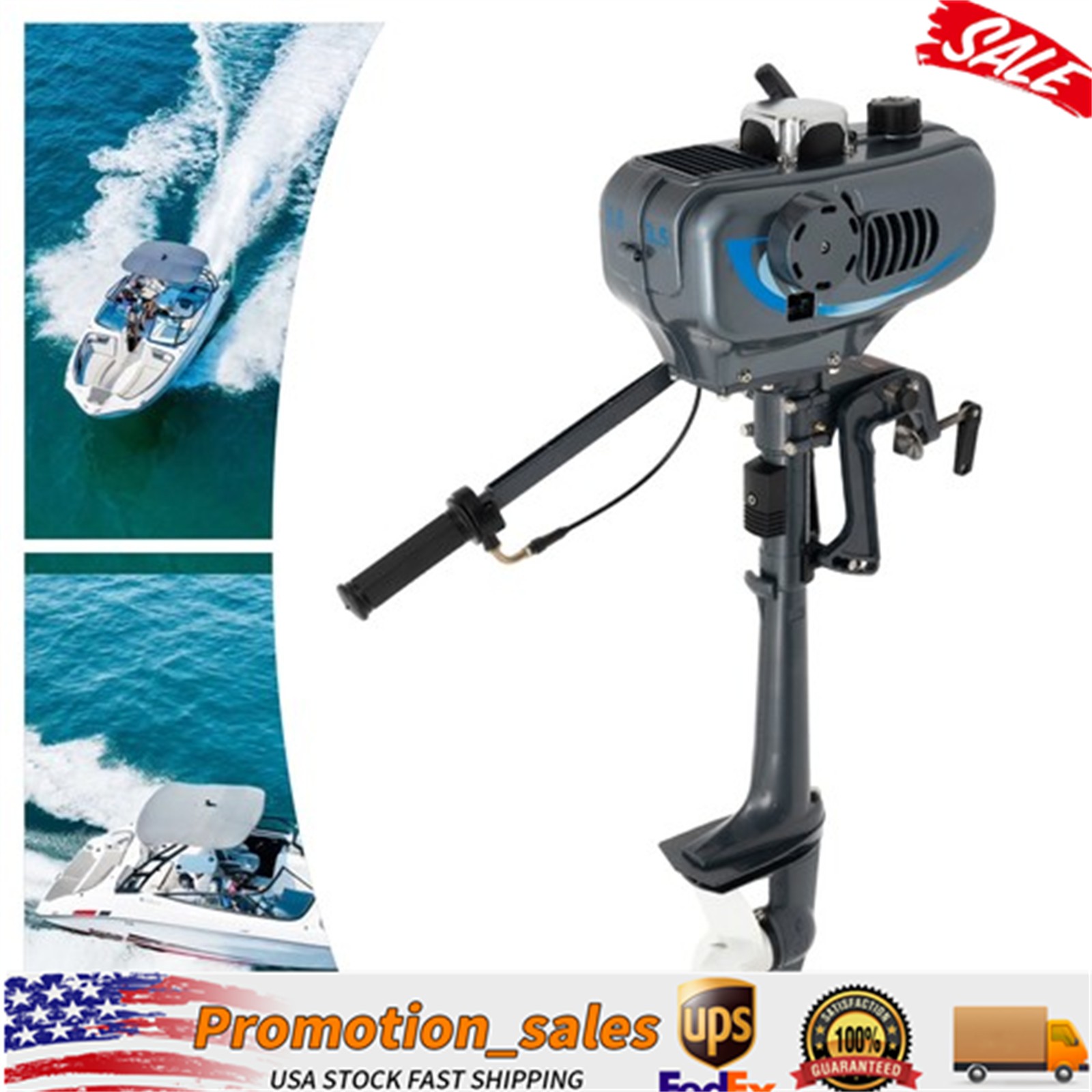
If you want the shorter walk to checkout, this is the listing to grab. It asks for less money than the other copy of the same outboard, and the included parts list does not shrink: you still get an outboard motor, water pump impeller, starter, funnel, fuel oil mixing bottle, and an English instruction sheet. The trade-off is that this listing has no separate advantage-no larger propeller, no taller engine height, no higher output. It simply costs less. For a small dinghy or fishing boat, the practical result is the same motor with a little more cash left in your pocket.
Higher-priced Outboard Motor
If the price gap is small enough that it does not change your budget, this listing still gives you the complete setup. Its listed specs put it on par with the lower-priced version: same adjustment rod length, same engine height, same gear ratio, and the same bundle of included extras. The limitation is that none of those equal specs justifies the higher listed price. You are paying more for a motor with no additional horsepower, no extra accessory, and no different starting system. The product itself gives you no reason to favor it, so the only honest tie-breaker is the lower price.
Final choice by use case
For a compact dinghy where every dollar counts, choose the lower-priced listing: it delivers the full outboard package without the price premium. For a small fishing boat needing a simple portable motor, the higher-priced listing can work too, but the spec sheet gives you no advantage from the extra spend. When the product details line up exactly, the lower listed price is the logical tie-breaker.