Boating and Marine Terms: A Plain-Language Glossary
A clear, beginner-friendly glossary of common boating and marine vocabulary, covering boat structure, directions on board, navigation and weather words, and essential safety gear.
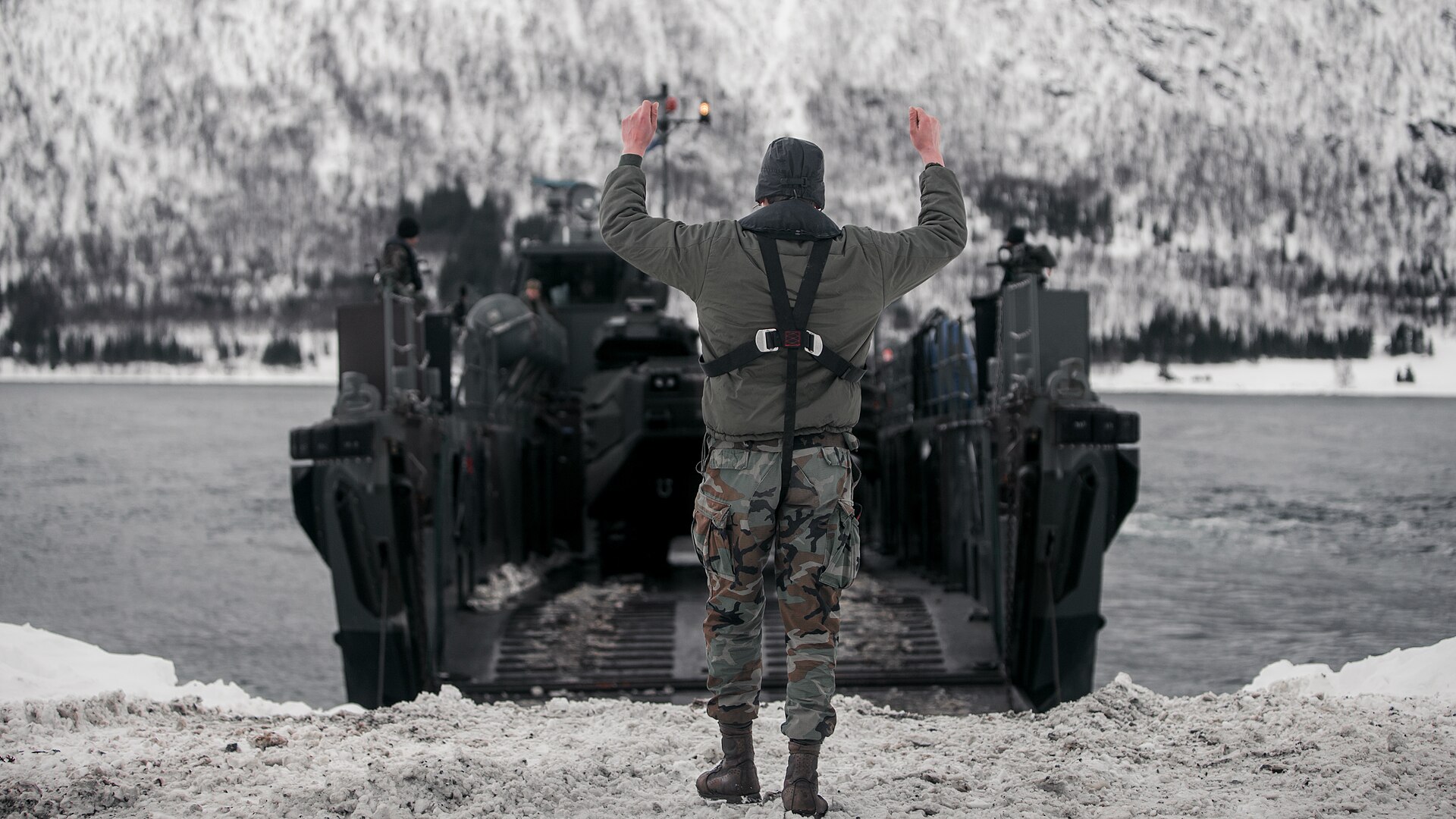
Cover: This image was released by the United States Marine Corps with the ID 210224-M-JH495-1002 (next). This tag does not indicate the copyright status of the attached work. A normal copyright tag is still required. See Commons:Licensing. العربية ∙ বাংলা ∙ Bahasa Indonesia ∙ Bahaso Jambi ∙ Deutsch ∙ Deutsch (Sie-Form) ∙ English ∙ español ∙ euskara ∙ فارسی ∙ français ∙ italiano ∙ 日本語 ∙ 한국어 ∙ македонски ∙ മലയാളം ∙ Plattdüütsch ∙ Nederlands ∙ polski ∙ پښتو ∙ português ∙ русский ∙ slovenščina ∙ svenska ∙ Türkçe ∙ українська ∙ 简体中文 ∙ 繁體中文 ∙ +/− · Wikimedia Commons · Public domain
Question: What do common boating and marine terms mean in plain language?
Boat shape and structure
The hull is the main body of the boat, and the deck is the flat surface covering part of the hull. The beam is the boat’s width at its widest point. The draft is how deep the boat sits in the water, while freeboard is the distance from the waterline up to the deck. A boat’s waterline is the line where the hull meets the water’s surface.
Directions and locations on board
The bow is the front of the boat, and the stern is the back. When you face the bow, port is the left side and starboard is the right side. Forward means toward the bow, and aft means toward the stern. The cabin is the enclosed, sheltered living or storage area on a boat, and the galley is the onboard kitchen area.
Navigation and weather words
A navigational chart is a map of a body of water showing depths, hazards, and aids to navigation. A buoy is a floating marker used to guide boaters or warn of dangers. A channel is a deeper, marked route through shallow water. Windward means the side facing the wind, and leeward means the side sheltered from the wind. Tide is the predictable rise and fall of sea level, and current is the horizontal movement of water.
Safety equipment and procedures
A personal flotation device, or PFD, is a life jacket or other flotation aid worn to help keep a person above water. A VHF radio is a two-way marine radio boaters use to communicate with harbors and emergency services. Flares are signaling devices used to attract attention in an emergency. A life ring is a floating rescue throwable. A float plan is a written outline of a boating trip left with someone on shore, describing the vessel, passengers, route, and expected return time.